
Understanding Cusco altitude around 3,400 metres
Cusco altitude is around 3,400 metres above sea level, the city figure used by UNESCO. Cusco sits in a valley in the Peruvian Andes, with streets and buildings extending across its slopes. That single city figure is useful orientation, rather than the exact height of every hotel, square or neighbourhood.
Height belongs in the plan before you choose how much to do after arrival. A central walk, a vehicle-based city excursion and a higher mountain outing place different demands on the day. Begin by leaving time without a booked activity, then decide how much sightseeing belongs around it. The arrival guide explains the journey from Lima and the local airport.
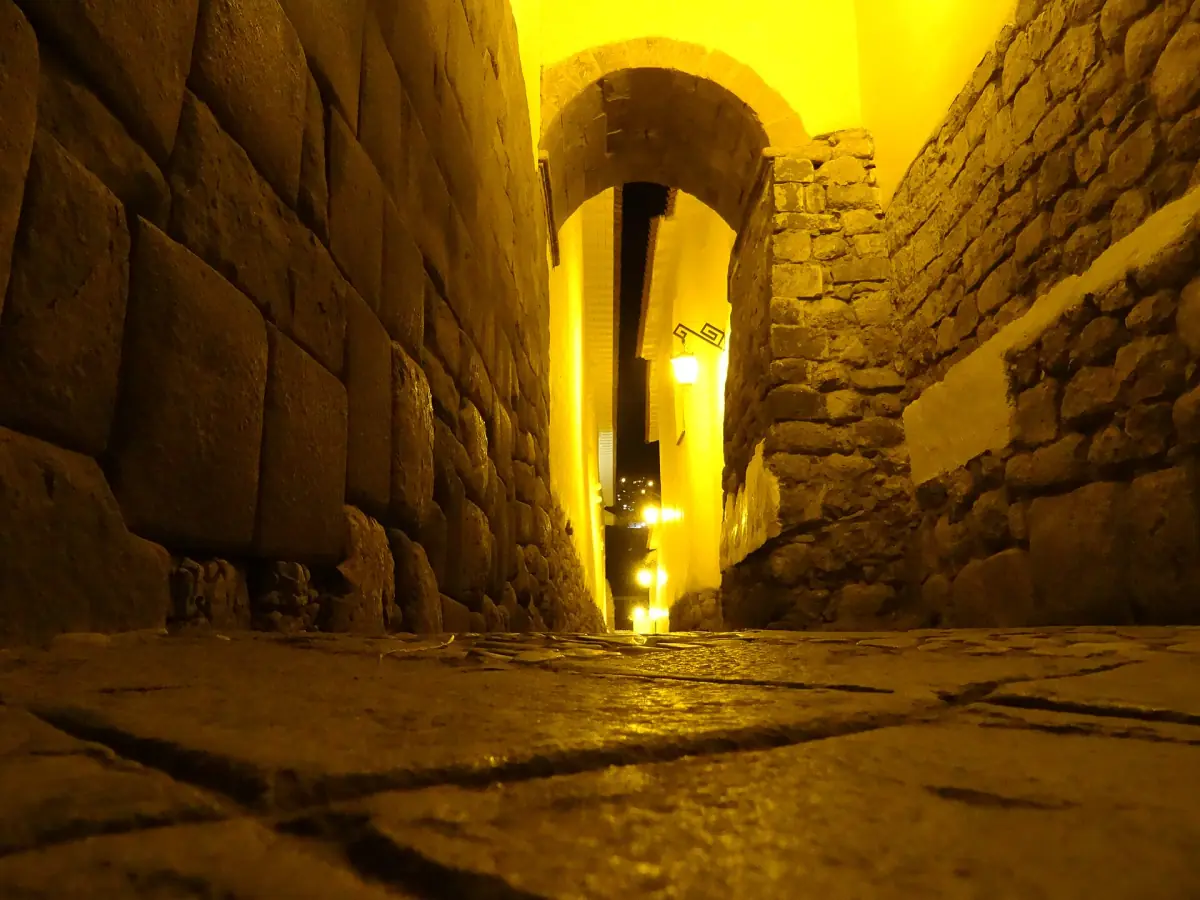
Arrival from Lima and the change in height
A flight from Lima to Cusco takes approximately one hour and twenty minutes. The short journey can put a full afternoon of sightseeing within reach on the clock, but the change from low elevation still matters. The CDC identifies direct ascent from low elevations as a risk factor for altitude illness. An apparently convenient arrival time is therefore a reason to keep plans flexible rather than fill every remaining hour.
Travelling by road is a different journey, but the choice of bus or flight should stay separate from expectations about how you will feel at altitude. Build your first days around your response to the height. For accommodation, the centre and San Blas guide explains the two areas without treating either as a solution to altitude illness.
A guided walk in Cusco
This city walk offers a guide and a non-alcoholic tasting option.
Hand-picked tours, booked through Viator. Prices are indicative starting prices in US dollars (as of November 2026). Tap a tour for live availability and the current price in your currency.
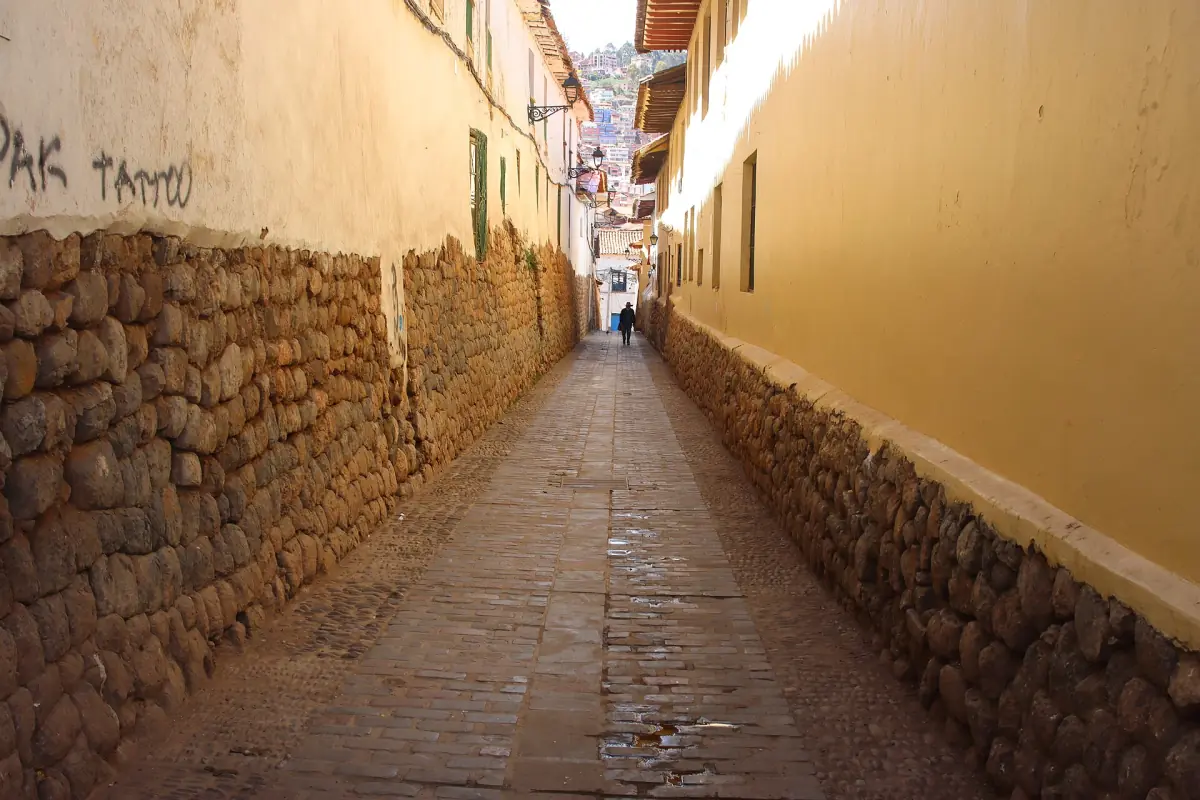
A cultural walk for a sightseeing day
This ordinary city walk lasts 150 minutes, starts near the Inca fountain on Plaza de Armas and offers English or Spanish guiding with a non-alcoholic tasting alternative. It is a sightseeing activity, separate from acclimatisation and medical care.
General acclimatisation guidance
The CDC guidance dated 23 April 2025 recommends only light exertion during the first 48 hours and avoiding alcohol. It also favours gradual gains in altitude. This gives a practical starting point for your diary: leave the first days less crowded and resist turning every available interval into another climb or excursion.
For journeys above 3,000 metres, the CDC recommends increasing sleeping elevation by no more than 500 metres per day and adding an acclimatisation day for every 1,000 metres gained. These figures concern sleeping altitude. They are not a rule for the maximum ascent on a day walk, and they should not be repurposed as permission for a particular mountain excursion.
Non-acclimatised travellers can develop altitude illness from about 2,450 metres of sleeping elevation. Children can also be affected, and physical fitness does not prevent it. Treat the guidance as general information for planning; questions about individual prevention belong in a travel-medicine consultation.
Altitude sickness in Cusco and medical help
The important response in the CDC guidance is to stop gaining sleeping height when symptoms occur. If the condition worsens, descend and obtain medical help. A booked outing should not decide whether you continue upward. Respond to how you feel rather than treating an excursion reservation as an obligation to finish the day.
This guide does not provide a diagnosis or a medication plan. A private guide, vehicle or oxygen listed among a tour's equipment should stay distinct from medical care. Use professional medical advice for individual concerns instead of choosing an activity on the assumption that its transport or equipment settles the health question.
City streets and higher day destinations
San Blas is northeast of Plaza de Armas, with narrow cobbled streets and craft traditions. A stroll there belongs to a different plan from a long mountain outing, yet it still involves walking in a high Andean city. Use the walking tours guide to understand the sightseeing focus, then choose the amount of walking separately from the attractions you want to see.
The day trips comparison distinguishes Sacred Valley visits, mountain outings and other excursions from Cusco. Treat those destinations individually rather than extending one city elevation figure across the whole region. Time in a vehicle and time on foot are also different parts of an outing; a shorter walking section does not settle the question of altitude tolerance.
The cultural walk offered here has professional local guides, groups of up to ten, and English or Spanish guiding. A non-alcoholic alternative is available with its tastings. Choose it for the city interpretation when you are planning ordinary sightseeing. Keep health decisions separate from that purchase and leave the arrival schedule with room to change.
Questions about height and arrival
How high is Cusco?
The general city elevation is about 3,400 metres. Individual streets, slopes and accommodation locations are not all at exactly that height.
Does fitness protect against altitude sickness?
Fitness does not prevent altitude illness. The general CDC advice is to plan gradual altitude gain, keep exertion light initially and avoid alcohol.
What if symptoms appear before a higher overnight stop?
Do not continue to a higher sleeping elevation with symptoms. If the condition worsens, descend and obtain medical help, following the general CDC guidance.
Is the walking tour an acclimatisation programme?
It is a 150-minute cultural sightseeing walk with a guide and a non-alcoholic tasting alternative. Keep acclimatisation planning and medical decisions separate from the tour.