
What a Cusco city tour covers
A Cusco city tour with transport brings together the architecture of the centre and archaeological stations beyond its streets. It suits a visit focused on Inca heritage and colonial layers, rather than a route spent entirely on foot in San Blas. Tourist transport and a guide are the core services in the city circuits compared here; admission is a separate part of the plan.
Two options begin on the Plaza de Armas, while another includes collection and return at hotels in Cusco city centre. That difference matters when choosing where to meet the group. For a central route without the vehicle circuit, see historic-centre walking tours. For a wider choice of experiences, use the tour overview.
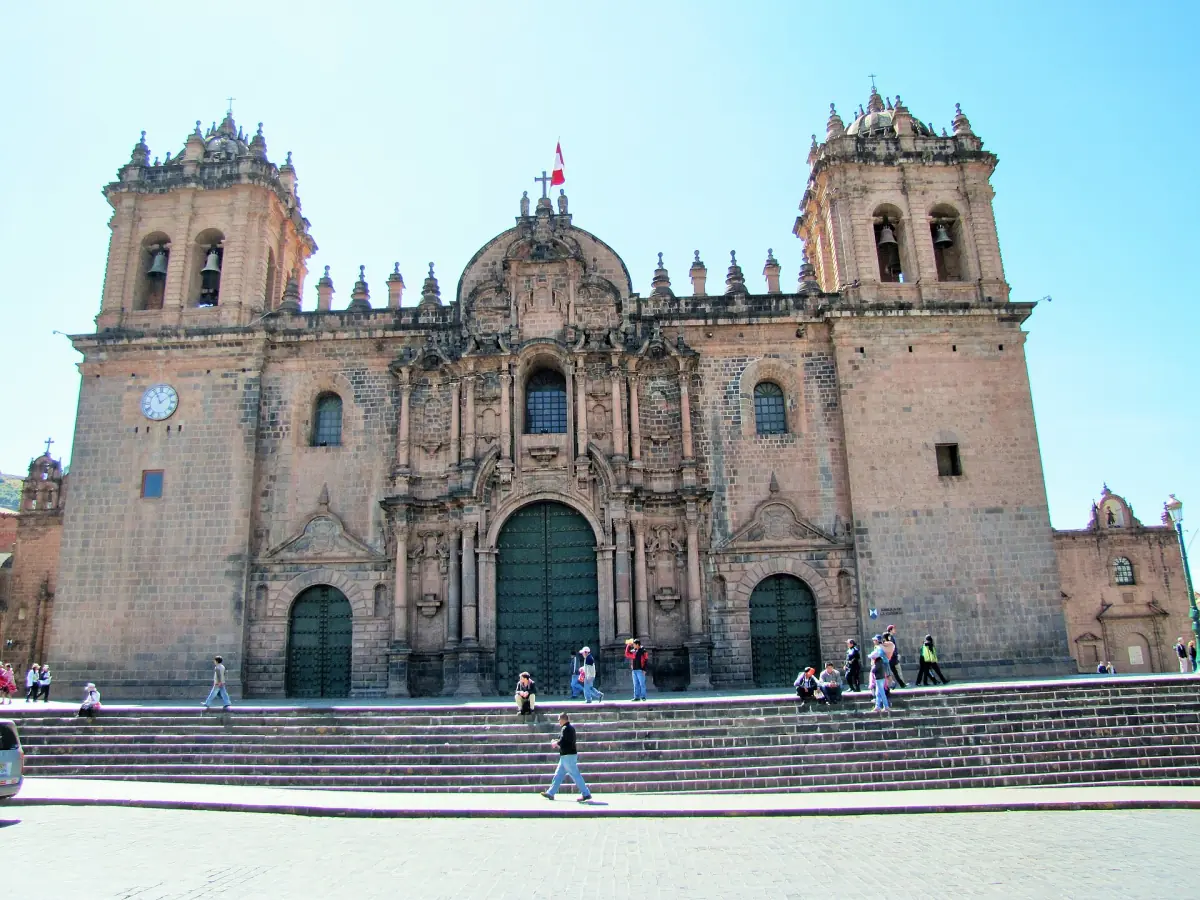
Cusco city tours
Choose hotel pickup in the centre or meet your guide at the square. Check the separate entry fees when comparing tours.
Hand-picked tours, booked through GetYourGuide and Viator. Prices are indicative starting prices in US dollars (as of November 2026). Tap a tour for live availability and the current price in your currency.
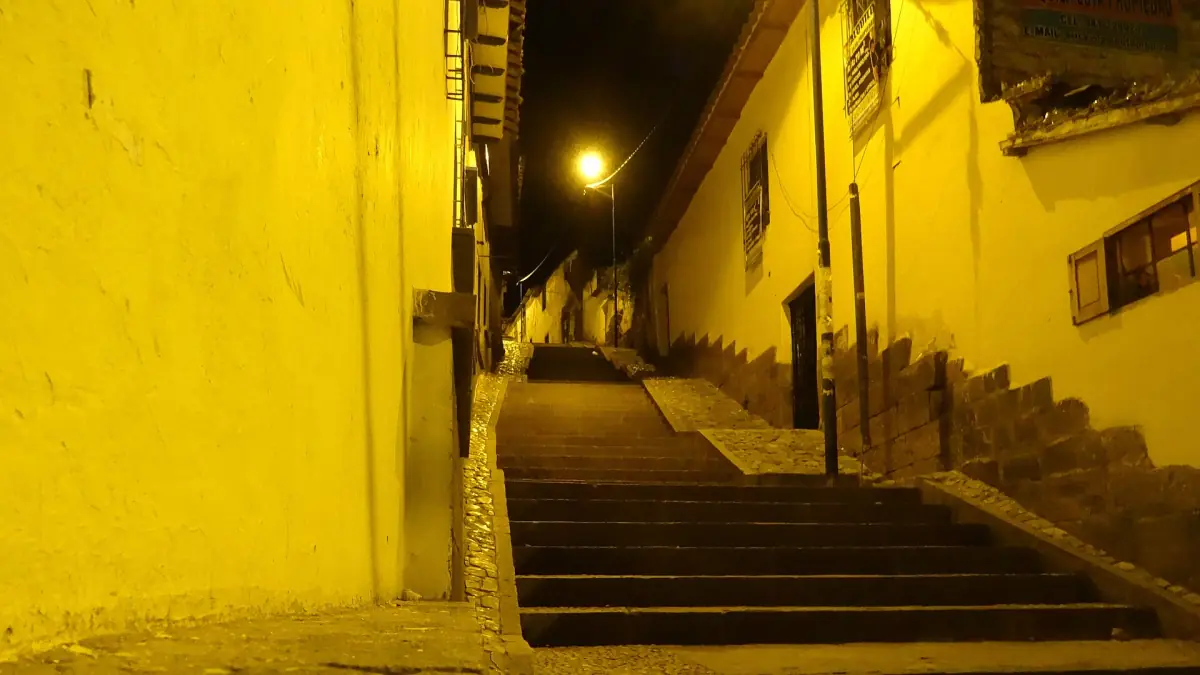
Cusco city tour with transport
- Round trip transportation
- English or Spanish Tour Guide
Hotel pickup and return are included in the city centre.
Check availability →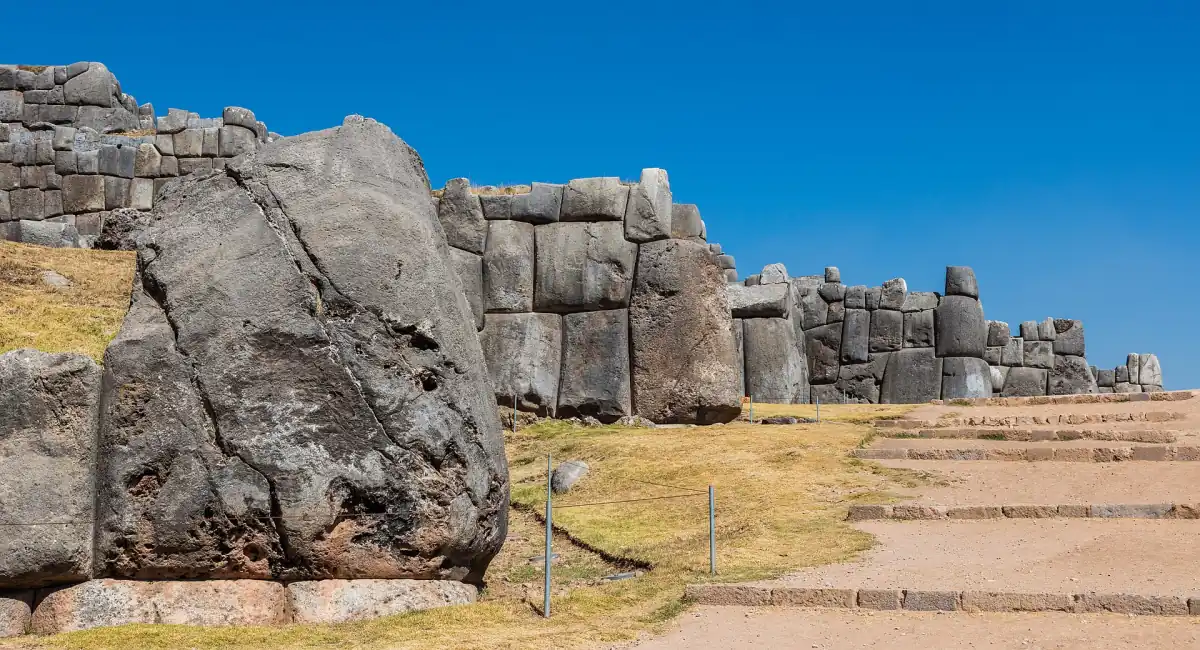
Cusco city tour by transport
- Tourist transport
- Professional guide
Qorikancha temple entry and the tourist ticket cost extra.
Check availability →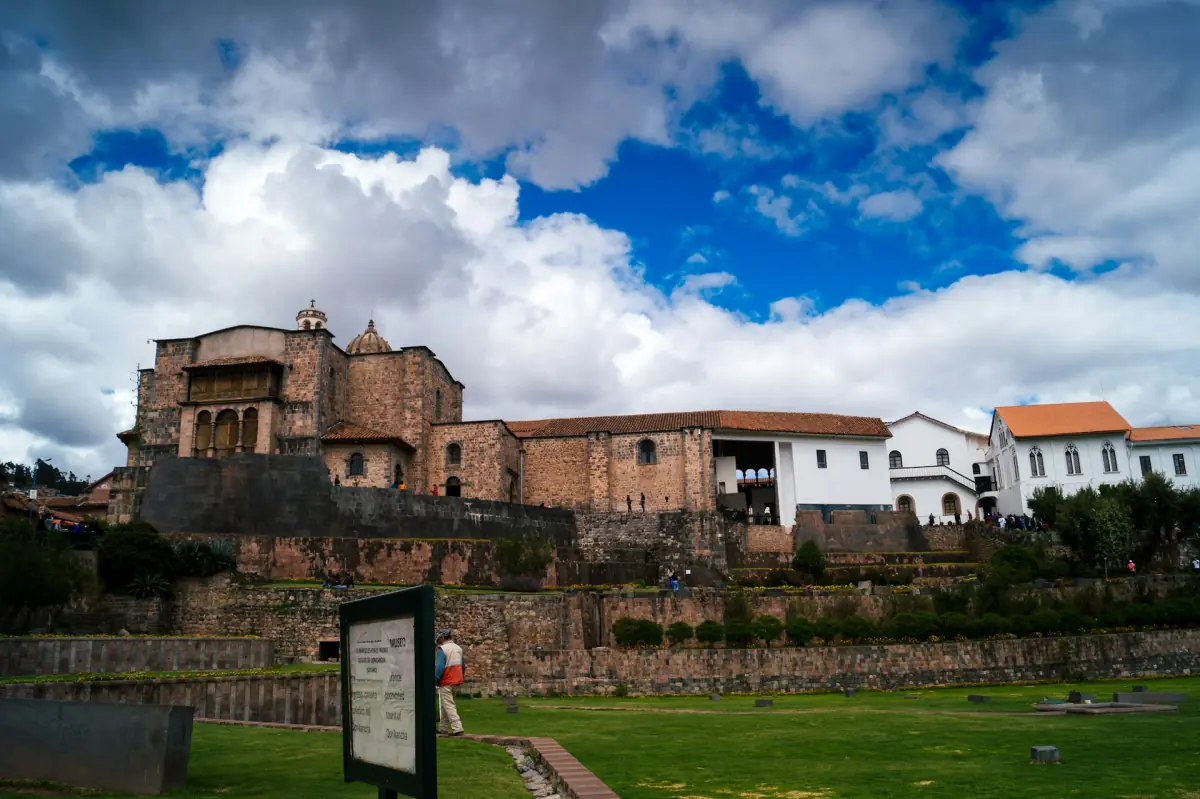
Cusco city tour with local guide
- Tourist transportation
- Professional local tour guide
Qorikancha temple entry and the tourist ticket cost extra; this is a tour, not a ticket sale.
Check availability →Guided city visits with transport
Compare a shared city circuit from the main square, a tour starting at Del Medio and a city-centre hotel pickup option. Keep the archaeological pass and temple admission separate.
Cusco history in the buildings
Under Pachacútec, Cusco was reshaped in the fifteenth century as the capital of Tawantinsuyu. Following the Spanish conquest in the sixteenth century, churches, monasteries and houses were built over Inca structures while much of the underlying urban pattern remained. A city guide can connect these layers through the masonry, street layout and the placement of later buildings.
The value of the historical route is that the evidence remains part of the cityscape. Inca walls and colonial façades are not isolated subjects in separate settings. At Qorikancha, their relationship is especially clear. The Cusco introduction gives a broader orientation if you are still deciding how the city visit fits alongside food experiences and longer excursions.
Plaza de Armas and the cathedral
The main square was the ceremonial and political centre called Huacaypata. Its arcades and cathedral now give it a different architectural frame. This makes the plaza a useful place to begin the story of continuity and change, as well as the departure location for the shared city circuits.
The cathedral stands on the square. Its construction ran from 1559 to 1654, and the interior includes Marcos Zapata’s Last Supper of 1753 with regional foods including cuy. For an interior visit, plan the separate admission and opening arrangements. The published visiting hours are 10:00 to 18:00. A city-tour stop near the cathedral should not be read as an included paid visit inside it.
Qorikancha and Inca masonry
Qorikancha was a central sanctuary of the sun god Inti. Santo Domingo monastery was built over its Inca walls between 1534 and 1538. The contrast between the masonry and the later religious buildings makes it an important architectural stop, not simply another church on a list.
Keep the temple and monastery distinct from the Museo de Sitio Qorikancha. The museum belongs to the Boleto’s city and southern-valley circuit; the temple has separate admission. The city tours starting on the plaza exclude that temple fee. This distinction is useful even if the two names look almost identical while you are planning the day.
Sacsayhuamán and the archaeological circuit
Sacsayhuamán lies north of the centre. The Boleto’s Circuito I groups it with Q’enqo, Puka Pukara and Tambomachay. A vehicle-based city tour provides a way to connect the archaeological part of the visit with the central city, while the separate guide to the Sacsayhuamán archaeological site develops the destination itself.
The five-hour shared city circuit departs from the Plaza de Armas and includes tourist transport, a professional local guide and assistance. The city tour starting at Del Medio 123 includes transport and a professional guide, with a listed duration of 5 to 5.5 hours. Both leave the Boleto and Qorikancha temple admission to be paid separately. Choose by the starting arrangement and programme rather than treating the transport price as a complete entrance package.
Boleto, extra entrances and hotel collection
The hotel-collection city tour lasts five hours and includes pickup and return in Cusco city centre, round-trip transport and an English- or Spanish-speaking guide. Budget separately for entrance tickets. If hotel collection is important, the defined city-centre service is the relevant distinction from joining at the plaza.
The Boleto includes archaeological places across several circuits, but neither the cathedral nor the Qorikancha temple is among its covered sites. It also does not provide a guide or transport. Use the Boleto and admission guide to choose the pass for your itinerary, with its validity checked at purchase. A full pass is useful only when its covered visits fit your own programme.
The city today, UNESCO and historical celebrations
Cusco entered the UNESCO World Heritage List in 1983. Its significance includes the urban structure and the relationship of Inca and colonial architecture, so the story continues between the named monuments. Walking sections let you notice that relationship; the transported circuit adds a different scale of archaeological visit.
Celebrations also connect these settings. The completed Inti Raymi edition on 24 June 2026 used Qorikancha, Plaza Mayor and Sacsaywaman. The completed Corpus Christi programme ran from 3 to 11 June 2026 in the centre. These are historical examples of the places’ ceremonial roles, rather than future event tickets included with a city tour.
City-tour questions
Is the Boleto included in the plaza departures?
The two plaza-departure city tours described here exclude the Boleto and Qorikancha temple entrance. Their included services are guiding and tourist transport.
Which option includes hotel pickup?
The five-hour city tour with hotel collection includes pickup and return at hotels in Cusco city centre, round-trip transport and a guide in English or Spanish.
Should I choose this page for San Blas?
For a route centred on San Blas and the historic streets, use the walking-tour page. The vehicle city circuits here focus on linking city architecture with archaeological stations.