
Choose your Cusco walking tour
A Cusco walking tour is a way to understand the centre through its streets: stone walls beneath later buildings, the open space of Plaza de Armas and the artisan neighbourhood of San Blas. The distinction that matters when choosing is the route and its inclusions. A guide, a cathedral stop and a temple exterior are different experiences from a paid interior visit.
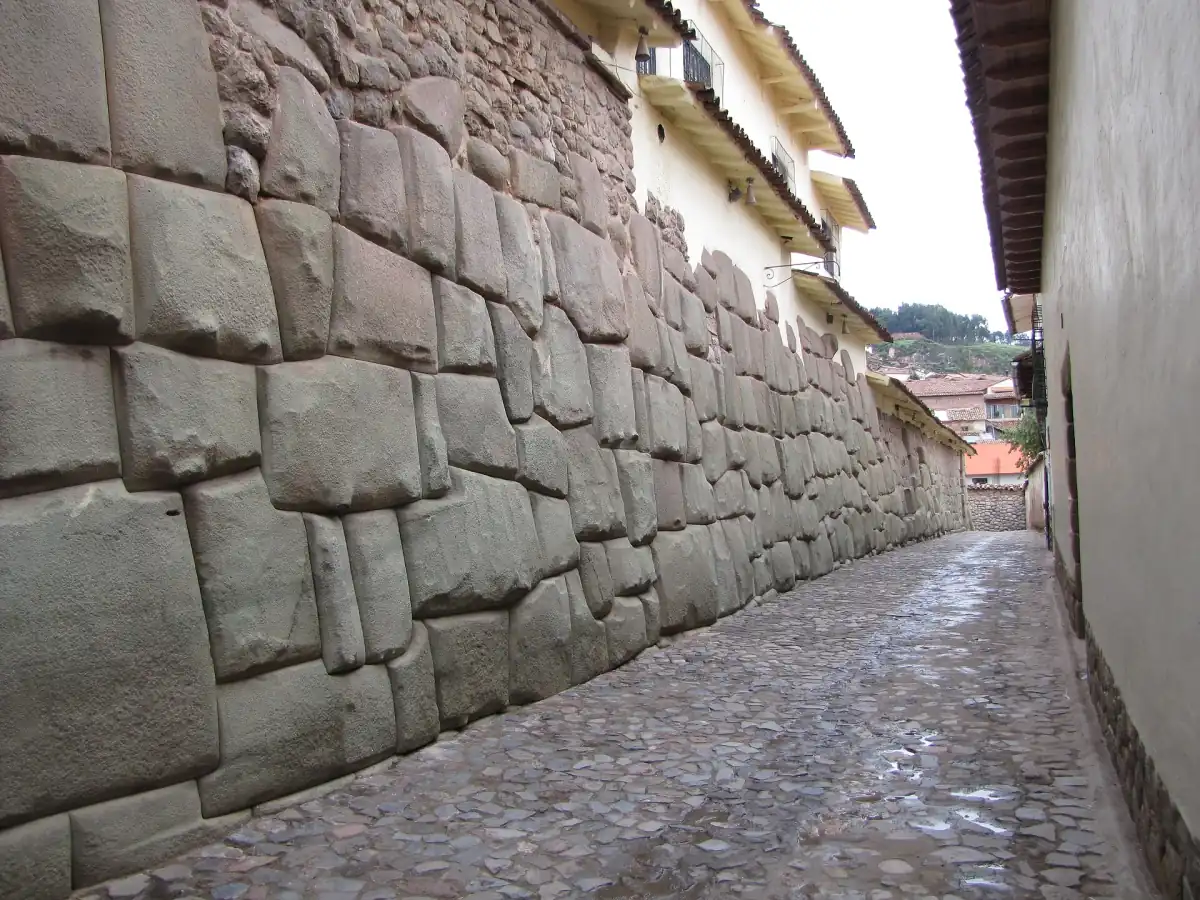
The historic-centre and San Blas walk takes 2 hours and includes an English-speaking local guide, the Twelve-Angled Stone and Qorikancha viewed from outside. Another 2-hour option provides a certified guide in English or Spanish. A separate guided walk lasts 2 to 3 hours and includes a Pisco Sour or a non-alcoholic alternative. Choose the walking format for the central streets; for transport to archaeological sites, see Cusco city tours.
Cusco walking tours
Choose an English-language historic centre walk or a guided walk with a drink option. Guides are included in each.
Hand-picked tours, booked through GetYourGuide and Viator. Prices are indicative starting prices in US dollars (as of November 2026). Tap a tour for live availability and the current price in your currency.
Historic centre and San Blas walk
- English-speaking local guide
- Walk through San Blas
- 12-Angled Stone
See Qorikancha from outside. Chocolate depends on the option; chicha is optional when available.
Check availability →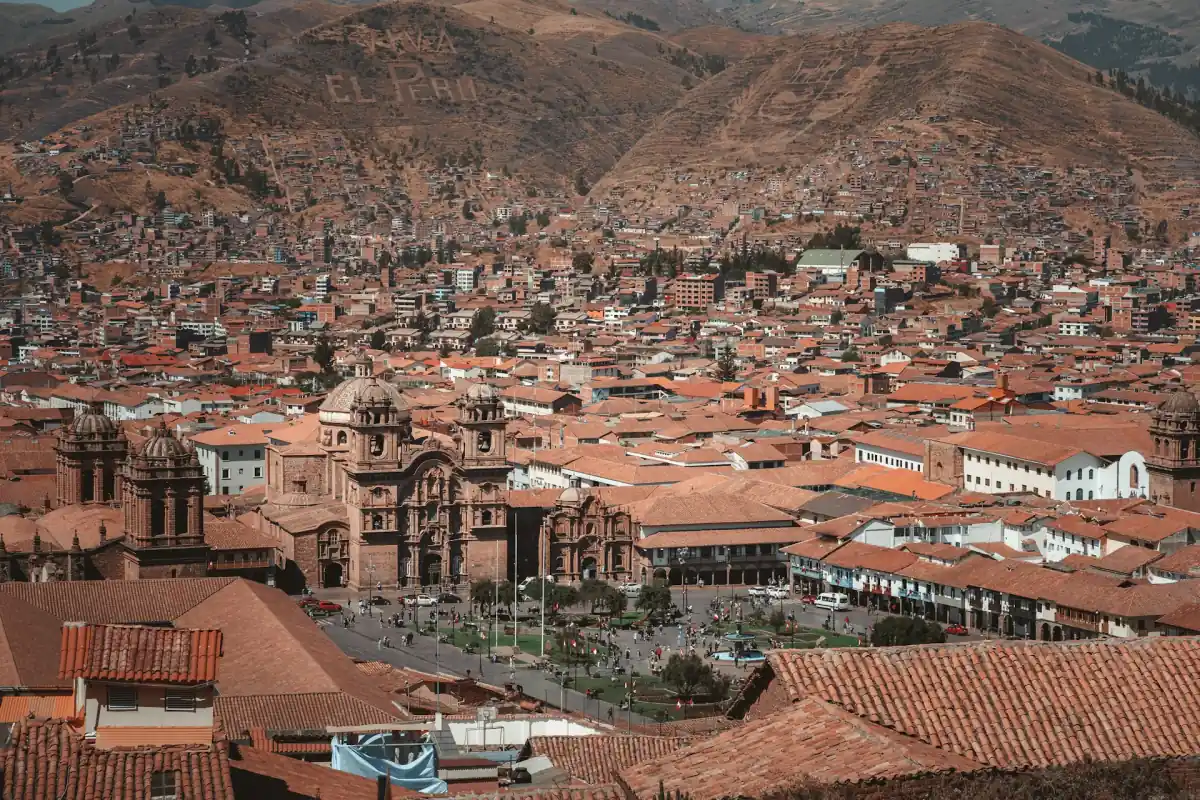
Cusco walk with a guide
- Profesional tour guide
- One llama keychain
Choose a pisco sour or the non-alcoholic alternative.
Check availability →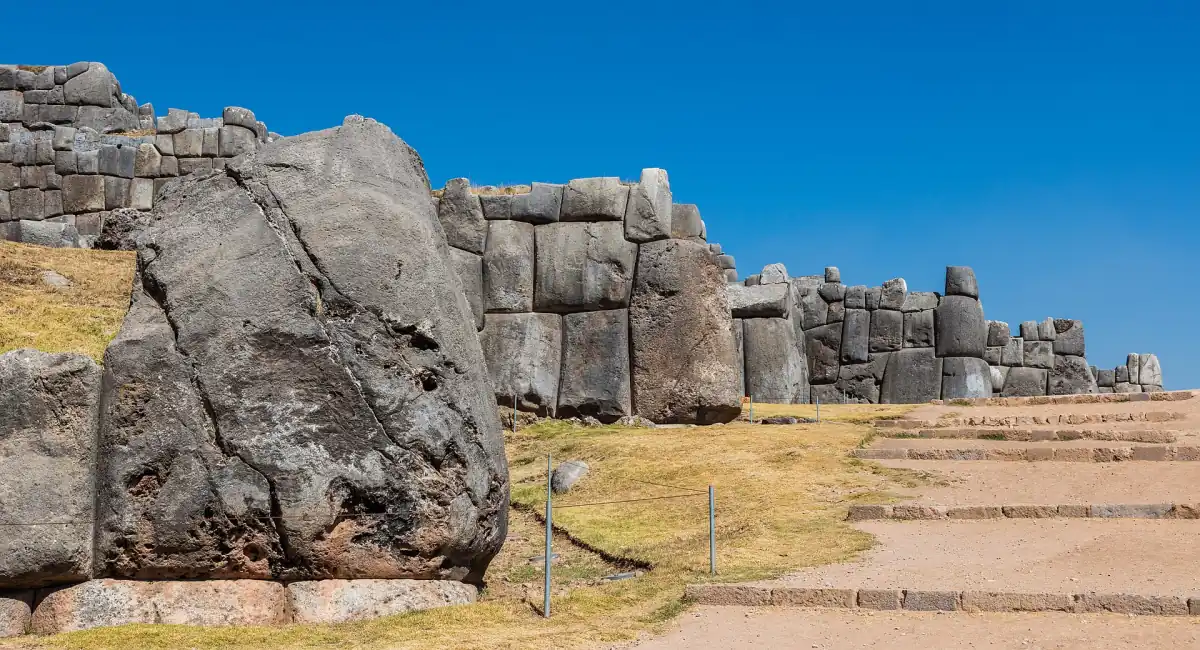
Guided walk in Cusco
- Certified professional guide
- Permanent assistance
Explore Cusco with a certified guide in English or Spanish.
Check availability →Guided walks through Cusco
Historic-centre and San Blas stops, English or Spanish guiding, and a separate option with a drink: choose the walk whose inclusions suit your visit.
Plaza de Armas and the colonial centre
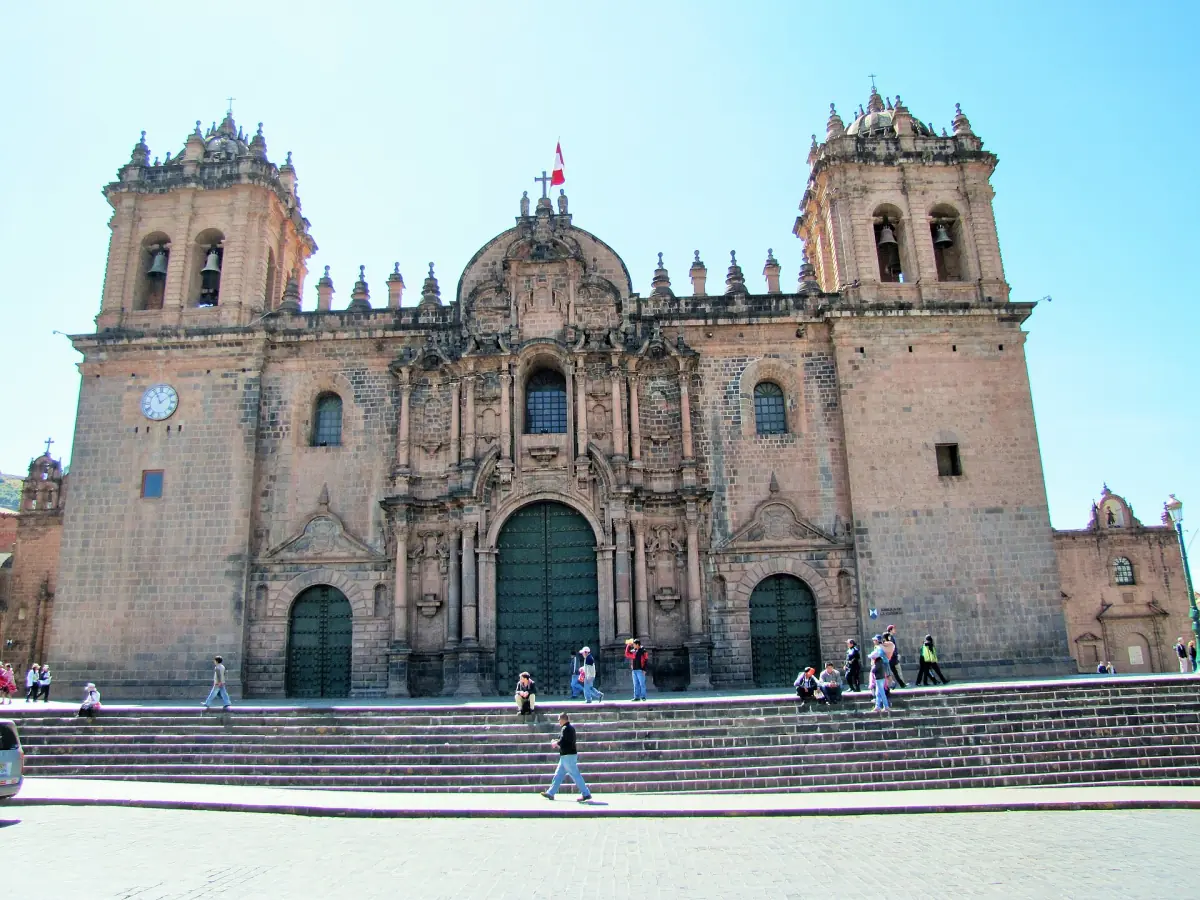
Plaza de Armas gives a walk a clear point of reference. Arcades and the cathedral frame the former Huacaypata, the ceremonial and political centre of the Inka capital. Looking across the square helps connect the spaces used by the earlier city with the churches and buildings that came later. The street pattern and surviving stonework are part of what makes walking rewarding here.
The historic-centre and San Blas tour includes a cathedral stop, but its listed visit should not be read as an included interior ticket. Keep a church interior visit separate in your plan. If architecture and the broader historical sequence are your main interests, the history and city-tour guide develops those themes beyond this central walking route.
Qorikancha from outside
Qorikancha brings the layers of the city into focus: the former sanctuary of Inti and the later Santo Domingo monastery above Inka masonry. The selected historic-centre walk explores its exterior. This makes the stonework a subject for explanation without turning the walk into a temple admission package. Chocolate tasting belongs only to an option that includes it; it is not a feature of every departure.
The temple and monastery are also distinct from the Museo de Sitio Qorikancha included in the Boleto Turístico. That distinction is useful if you want to return independently after the walk. Our tourist-ticket guide explains the pass and separate admissions.
San Blas and artisan streets
San Blas lies northeast of the main square. Narrow paved streets, adobe houses and balconies form the setting for ceramics, jewellery, painting and textile crafts. The selected route explicitly includes a walk through this artisan neighbourhood and a stop at the Twelve-Angled Stone. This suits visitors who want to read the city at street level rather than spend the outing moving between outer ruins.
A neighbourhood walk leaves room to look at the relationship between houses, walls and lanes. Treat workshops and the church as separate places with their own access arrangements; the district walk does not promise an interior visit to either. If food is the reason you want to explore the city, compare the dedicated San Pedro market tours and cooking classes instead of expecting a full tasting programme on a history walk.
Walking routes, slopes and altitude
Cusco sits at around 3,400 metres, and a short tour duration should not be your only measure of effort. San Blas has narrow paved streets, while the walk through the centre involves time on foot. Choose a programme you feel able to manage, with space around it rather than immediately adding another demanding outing. Our altitude guide covers general arrival and acclimatisation advice.
Meeting points and tour languages
The English or Spanish guided introduction starts at Portal de Comercio 121. The historic-centre and San Blas walk meets at Portal de Carnes 254 on Plaza de Armas. The walk with a Pisco Sour or non-alcoholic drink meets near the Inca fountain on the square. These are different meeting arrangements, so keep the exact address with your reservation and allow time to find it. Select the language as carefully as the route.
Questions about walking in Cusco
Does the San Blas walk go inside Qorikancha?
It visits Qorikancha from outside. A temple interior visit has separate admission arrangements and is a different use of your time.
Which walk includes a drink?
The 2 to 3-hour guided option includes a Pisco Sour or a non-alcoholic alternative. Its meeting point is near the Inca fountain on Plaza de Armas.
Can I visit the outer archaeological sites on this walk?
For a programme using a vehicle and visiting archaeological sites outside the central streets, choose a city tour. The walks compared here focus on exploring Cusco on foot.