Using Cusco weather to plan your visit
Cusco weather matters when choosing both your travel dates and the shape of each day. The regional Andean guidance describes approximately April to October as a period with less rain, sunny days and cold nights. November to March is the rainier period. Use those seasons as a starting point for planning, then respond to the forecast for your actual visit.
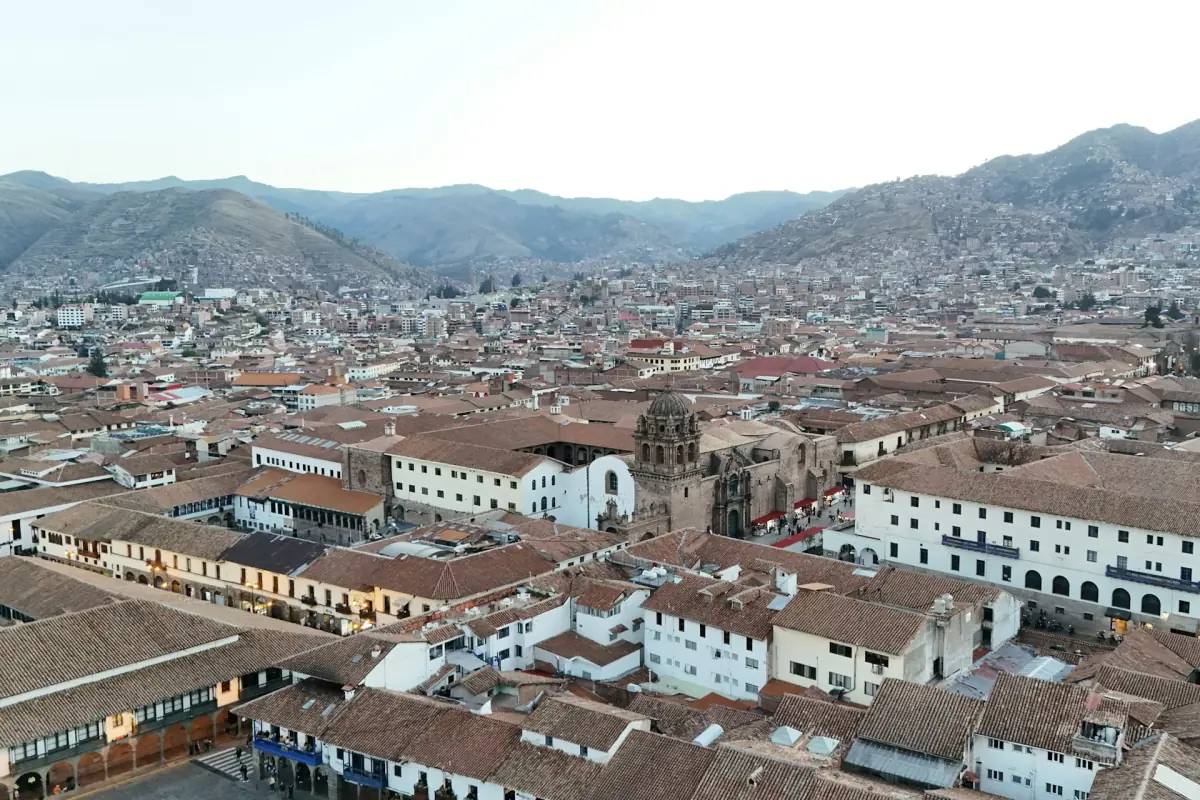
Cusco sits in a valley in the Peruvian Andes, with UNESCO giving the city altitude as about 3,400 metres. A walk between the plaza and nearby monuments is a different undertaking from a higher Andean excursion. Decide which days belong to the city and which involve travel elsewhere before treating a single weather description as sufficient for the whole itinerary.
Choosing the best time to visit Cusco
If your main aim is to spend time walking between city landmarks with a lower seasonal likelihood of rain, the drier part of the regional calendar is a reasonable planning preference. That is a choice based on the seasonal pattern, rather than a promise about a particular date. Leave flexibility for the walks you care about most.
For a stay in the rainier period, organise the city programme around manageable visits rather than committing every available hour to a long outdoor route. Decide what you most want to see and leave room to rearrange the sequence. The walking tours guide explains the central routes, while the city tours page covers visits using transport and archaeological stops.
A guided city tour
This city tour combines a bilingual guide with shared transport.
Hand-picked tours, booked through Viator. Prices are indicative starting prices in US dollars (as of November 2026). Tap a tour for live availability and the current price in your currency.
A guided city visit with shared transport
This sightseeing option includes a Spanish- and English-speaking guide, central hotel collection and shared transport, with return to central Cusco.
Dry and rainy seasons as regional guidance
The useful distinction is between a generally drier period and a generally rainier one. Avoid reading the word dry as a timetable for clear skies, or assuming that rain occupies every hour of the rainier months. For a specific outing, the forecast and the conditions at the destination matter alongside the broad season.
Separate the decision about travel dates from the decision about a particular day's activity. You can choose a drier month for the overall trip and still keep a city walk flexible. Equally, a visit during the rainier months can be arranged around a clear list of priorities, with room to move a walk instead of tying it to your arrival afternoon.
Sunny days and cold nights
Think beyond the conditions at the moment you leave your accommodation. Clothing layers and a rain layer allow you to adjust during the day, while something warm for the evening fits the regional pattern of cold nights. Keep those items accessible rather than packing them away for a day spent moving between buildings and streets.
The same approach helps with choosing accommodation: consider the routes you expect to walk back after sightseeing. Compare the historic centre and San Blas by the actual address and approach. The neighbourhood name is a location reference; your own route and evening plans determine what you need to carry.
City sightseeing and higher day trips
The guided city option presented on this page includes a bilingual Spanish- and English-speaking guide, pickup at a hotel in Cusco's centre, shared tourist transport and drop-off in central Cusco. It offers a way to organise a city visit with transport. Choose it for that sightseeing format, while keeping your clothing and daily planning responsive to conditions.
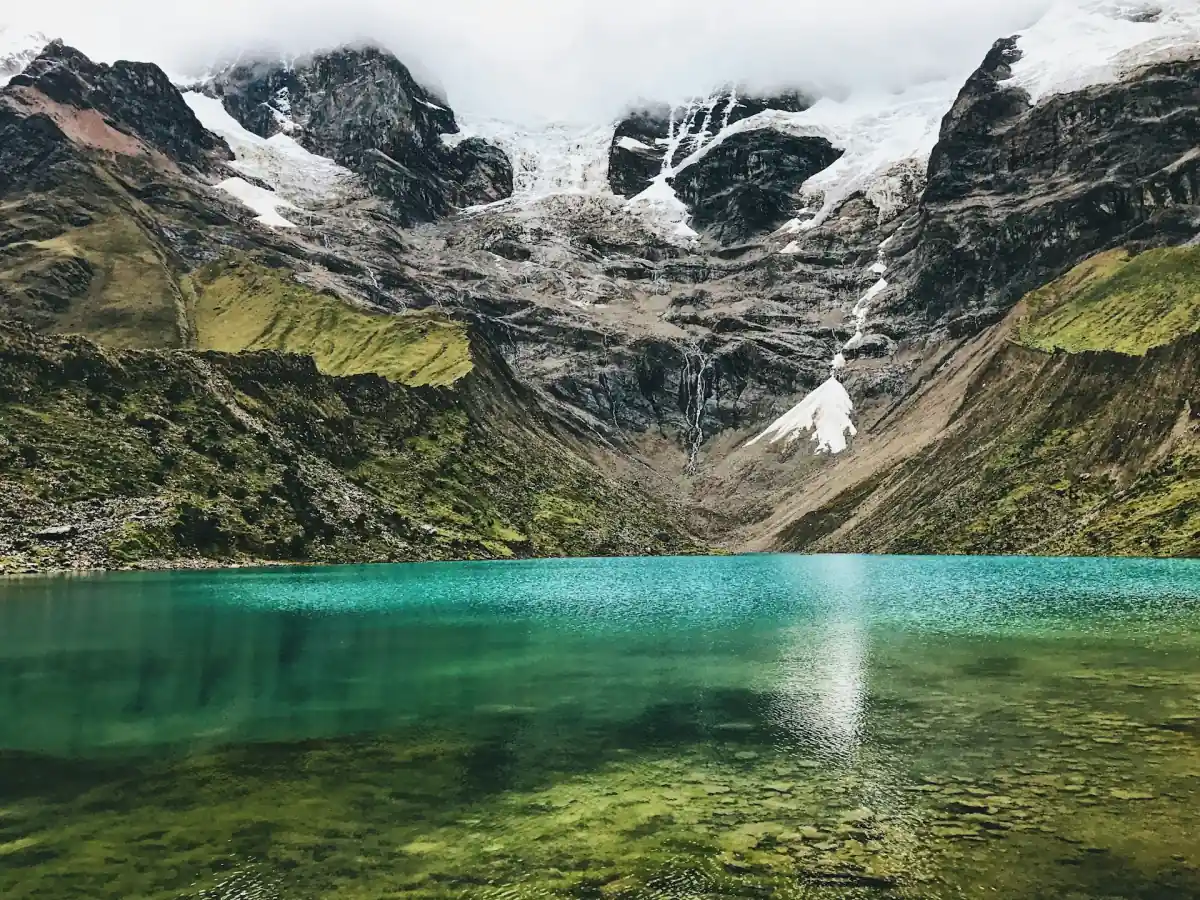
For Humantay, Rainbow Mountain or other excursions, plan for the actual destination rather than extending Cusco's city weather to the route. The day-trip comparison distinguishes the outings and transport formats. Check destination conditions and access for your travel date; a seasonal description of the Andes is not an operating notice for an individual trail.
Height is a separate planning question from rainfall. Leave room for arrival and settling in before organising a demanding outing. The altitude guide covers the general advice and the difference between an ordinary city walk and plans involving higher destinations.
Festivals as historical examples
Cusco's cultural calendar adds another reason to think about dates. The completed Inti Raymi edition took place on 24 June 2026, with performances at Qorikancha, the Plaza Mayor and Sacsayhuamán. The completed Corpus Christi programme ran from 3 to 11 June 2026 and included events in the historic centre. These are examples of how particular dates can shape a city visit.
Choose future festival visits using the programme for the relevant edition, separately from your weather preferences. A drier seasonal pattern and a published event programme answer different questions: one helps with broad outdoor planning, while the other determines what is actually scheduled.
Weather and timing questions
When is the drier period in Cusco?
Regional Andean guidance places the period with less rain roughly between April and October, with sunny days and cold nights. It is a seasonal orientation, so use a forecast for your dates.
When is the rainy season?
November to March is the rainier period in the regional guidance. Keep the order of city visits flexible and consider the conditions of each day's destination.
Can city weather guide a Humantay excursion?
Plan the excursion around conditions at Humantay and along its route. Cusco's city setting and a higher Andean destination require separate decisions about weather, access and altitude.